

















 It’s Only Common Sense: When the Cheapest Board Becomes the Most Expensive
 The Chemical Connection: Employee and Operator Empowerment in the Age of AI
 The Big Picture: Not One, But Three Grey Rhinos





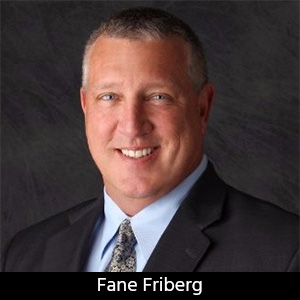
In this series, CEPHAS principal Fane Friberg highlights the interdependent elements of an effective S&OP process for leaders of supply chain management. While some companies tend to fall back on the status quo, Freiberg highlights why it’s critical to actually increase the frequency of the S&OP rather than decrease the operations. He has reviewed the importance of staying committed, strategic imperatives, and participation. Today, he discusses technology.
Focus #4: Technology
What leading values will be the most reliable to let us know when it is “safe” to leave our homes and reopen countries? We are beginning to see “opened” areas now taking some steps backward as a potential second wave appears possible. It is unrealistic to presume that we will be able to effectively navigate this crisis by simply closing again.
Leadership must structure the process clearly to communicate the location, forum, tools, etc., that will be used during the S&OP meeting. Proactively have each member pre-use the technology so that the meeting starts and ends on time and is a productive collaboration.
Determine what technology must be used daily to keep all activities and processes within planning, coordination, operation, control, and optimization of the whole supply chain system running at maximum efficiencies. The daily dynamics most likely do not allow for sustained (all-day meetings); therefore, the leading indicators must have a prescriptive plan to drive systematic (cause and effect) supply chain management.
This information and technology plan must meet the operating requirements for fulfilling basic business profitability and market goals. The information and technology must also provide the overall desired framework in developing the master production schedule and in evaluating capacity and resource requirements.
Fane Friberg is principal of CEPHAS.


