













 American Made Advocacy: Five Years of Educating, Advocating, and Influencing Legislation and Policy
 Defense Speak Interpreted: Understanding What the Department of Defense Is, and Isn’t
 The Right Approach: The End of an Era—DoD Proposes MIL-PRF-31032 Cancellation





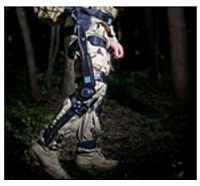
Their demanding missions often require soldiers to carry heavy equipment packs long distances over rough terrain, or up and down stairs and underground infrastructure in urban environments. Exhaustion and injury are frequently a consequence of these challenging operational scenarios. A new exoskeleton from Lockheed Martin offers a solution.
"FORTIS K-SRD features military-specification batteries that are approved for infantry use, improved control box ergonomics and faster actuators that generate more torque," said Keith Maxwell, FORTIS program manager at Lockheed Martin Missiles and Fire Control. "These system upgrades resulted from soldier feedback on the initial design."
Sensors on the exoskeleton report the soldier's speed, direction and angle of movement to an on-board computer that drives electro-mechanical actuators at the knees. The exoskeleton delivers the right torque at the right time to assist knee flex and extension. FORTIS K-SRD ultimately reduces the energy needed to cross terrain, squat or kneel. These benefits are most noticeable when ascending or descending stairs or navigating inclined surfaces.
Versions of the exoskeleton are also available for industrial workers and first responders who have to perform strenuous tasks in difficult environments.
"For any mission that combines heavy man-portable gear and climbing, FORTIS K-SRD can enhance strength and endurance," Maxwell said.
About Lockheed Martin
Headquartered in Bethesda, Maryland, Lockheed Martin is a global security and aerospace company that employs approximately 97,000 people worldwide and is principally engaged in the research, design, development, manufacture, integration and sustainment of advanced technology systems, products and services.


