











Liteye Systems Inc. Opens C-UAS Location in Tampa, Florida
September 30, 2020 | Globe NewswireEstimated reading time: 1 minute
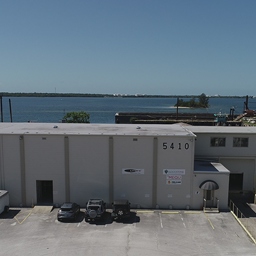
Liteye Systems, Inc., a US leader in Counter Unmanned Aerial Systems, announced the opening of a new location in Tampa, FL to accommodate rapid growth and support the needs of its customers globally.
In addition to the corporate headquarters and manufacturing facility in Centennial, CO and a supporting UK office, the new location will bring the company’s office and manufacturing footprint to approximately 90,000 square feet, further enabling the company’s growth strategy.
Liteye Systems, Inc, is a world leader in Counter Unmanned Aerial Systems (C-UAS), radar and surveillance sensor packages, ruggedized thermal cameras, and helmet mounted displays with over $100M in services and products provided to the US Government.
“Expanding our geographic reach to Tampa is a critical step to implement our rapid deployment field operations initiative,” said Zac Neumayr, Vice President of Strategic Accounts & Field Operations.
“Tampa is an important location in our growth road map” stated Kenneth Allen Geyer, CEO of Liteye. “The city is a beautiful place to be located and with proximity to the water it allows us to demonstrate many of our new technologies for naval and coastal defense systems.”
Liteye has delivered essential equipment to the US Government for over 20 years and has experienced recent growth with the Anti-UAS Defense System (AUDS) as a Combat Proven product with over 1000 defeats against enemy drones flown by ISIS, Taliban and others. Liteye’s products continue to be a sustaining force to protect airfields, government installations and critical infrastructure across the US Government.
Testimonial
"The I-Connect007 team is outstanding—kind, responsive, and a true marketing partner. Their design team created fresh, eye-catching ads, and their editorial support polished our content to let our brand shine. Thank you all! "
Sweeney Ng - CEE PCBSuggested Items
Skoltech Team Develops Modulator for Compact Photonic Integrated Circuits
04/28/2026 | SkoltechResearchers at Skoltech have developed an ultra-compact electro-optic modulator based on silicon photonics and plasmonics that enables high-efficiency optical signal control within a small device footprint.
American Made Advocacy: Rebuilding America’s Military Stockpiles Begins With Microelectronics
04/28/2026 | Shane Whiteside -- Column: American Made AdvocacyCurrent world events demonstrate the fragility of long-distance supply chains transiting multiple zones of conflict. The U.S. military is currently drawing down supplies of key munitions and other electronic systems at unprecedented rates.1Every one of those systems is powered by printed circuit boards. The American PCB industry has kept pace with peacetime demand for the defense industry, but will now be called upon to increase production to a wartime footing at rates not seen in decades.
Call for Abstracts for Third Pan-European Electronics Design Conference
04/30/2026 | Global Electronics AssociationThe German Electronics Design and Manufacturing Association (FED) and the Global Electronics Association are officially opening the Call for Abstracts for the Third Pan-European Electronics Design Conference (PEDC).
Remtec to Showcase Advanced Ceramic Technologies and Present Thermal Management for High-Power Applications at CMSE 2026
04/23/2026 | RemtecRemtec, a global leader in advanced ceramic substrates and microelectronic assembly solutions, today announced that President and CEO Brian Buyea will lead the company’s participation at Components for Military & Space Electronics Conference & Exhibition (CMSE 2026).
Smart Automation: The Journey of a Component Through an SMT Factory
04/22/2026 | Josh Casper -- Column: Smart AutomationIn electronics manufacturing, the SMT line tends to get most of the attention. Placement machines, inspection systems, screen printers, and reflow ovens often take center stage when discussing productivity improvements or new equipment investments. While these systems are obviously critical to the manufacturing process, they only represent a portion of the journey every component takes before becoming part of a finished assembly.