













 It’s Only Common Sense: Win the Sale Before the RFQ Arrives
 The Marketing Minute: Marketing Is a Team Sport





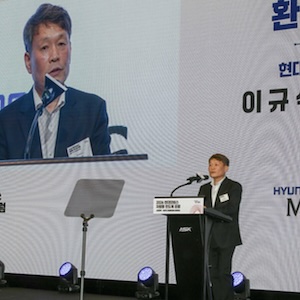
The European Semiconductor Industry Association (ESIA) welcomes the World Semiconductor Council’s (WSC) agreement on joint recommendations. High-level executives from the world’s leading semiconductor companies gathered for the 25th time to discuss ways to foster innovation and strengthen competitiveness through international cooperation. As a charter member since 1997, ESIA represents the interests of the European semiconductor industry at the WSC.
Chief executive officers and industry representatives from around the globe1 discussed a broad range of pressing issues such as the importance of cooperative approaches in protecting the environment, responsible minerals sourcing, free & open markets and regional support programmes, as well as encryption policies and effective protection of intellectual property rights.
The meeting of the WSC marked the completion of the current voluntary perfluorinated greenhouse gases emission programme, with the industry achieving a (normalised) emissions reduction of 22.9% from 2010 to 2020. The WSC is now working on establishing a new perfluorinated greenhouse gas reduction goal, to be announced by the end of 2021.
The global semiconductor industry is experiencing a very high level of demand, driven in part by an unprecedented portion of the workforce being reliant on remote work connections and the growing pervasion of semiconductors in all applications. At a time when several governments are launching investment initiatives to support and strengthen advanced semiconductor industry initiatives, the WSC underlined that government support in the semiconductor sector should be built upon a fair multilateral trading system and guided by market-based factors.
ESIA President Jean-Marc Chéry said: “The consequences of the pandemic and a strong growth in orders covering all applications will continue to shape our market and industry’s supply chain dynamics. It is crucial that the WSC leads the way to a fair and transparent level- playing field, built upon an efficient multilateral trading system.”


