













 Powering the Future: Why True Ceramic Circuits Are Not Just ‘Better PCBs’
 Global Sourcing Spotlight: The Global Quality Gap—Why Consistency Wins the Contract
 Knocking Down the Bone Pile: Precision Milling of Underfilled SMT Components





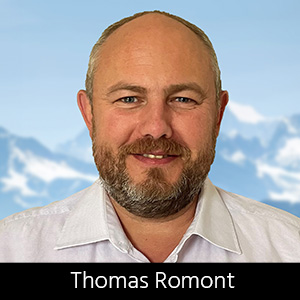
Thomas Romont is CEO of WorldWide Electronic Circuits in Nantes, France, and chair of the IPC Designers Council France. He gave a presentation at electronica titled Challenges for the Future From a PCB/PCBA Designer Perspective. We asked Thomas to share his thoughts about the class, why this topic is so important, and what he hoped attendees would take away from his class.
I-Connect007: Tell us a bit about your electronica class on future challenges from a designer’s point of view.
Thomas Romont: My class focused on dealing with the impact of new packages on PCB/PCBA design and how IPC may help to cope with those challenges before they have significant effect on board reliability. I used the example of the IPC Designers Council France and tools they have produced to show how effective and pragmatic this type of group can be.
I-Connect007: Why was this class important?
Romont: We are fortunate that packages that are coming onto the market for mobilephones today will not be used for other applications for several years, or even a decade. This provides us the opportunity to anticipate their impact on reliability. But today the industry is split into two big blocks: One covers the component and the package, while the other focuses on the PCB and its assembly. There is a very opaque border between these two sides. This class advocates for a better cooperation between the two blocks and proposes that IPC may be the right interlocutor to begin exchanges with components and packages organizations.
I-Connect007: What do you hope attendees took away from your class?
Romont: I hope that attendees become messengers in their company and/or this industry to push for a wider consideration of industrial constraints, from the silicon to the system level. And perhaps they may get involved with IPC to help ease those exchanges.


