













 It’s Only Common Sense: Every Salesperson Must Become a Teacher
 Trouble in your Tank: Are PCB Fabricators Ready for the Next Technology Curve?





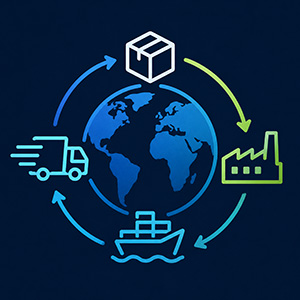
For years, supply chain management was largely about efficiency: securing materials, managing inventory, and delivering products on time. Today, it's much more complex. First, AI is reshaping demand forecasting and materials sourcing. We also feel the impact of trade policies on manufacturing decisions, and government advocacy efforts are shaping the business environment for electronics companies worldwide.
Understanding these forces and how they connect is becoming a competitive advantage.
The I-Connect007 Editorial Team works with some of the industry's leading subject matter experts to explore these developments from multiple perspectives. Together, these tell a larger story about the trends influencing the global electronics supply chain.
- The AI Tipping Point: Transforming Global Materials Supply Chains
AI is reshaping how materials are sourced, forecasted, and managed across global supply chains. - Electronics Trade in a Persistent Trade Environment
As tariffs and trade restrictions become a long-term reality rather than a temporary disruption, companies are rethinking how they manage risk and maintain competitiveness. - How New Metals Tariffs Impact the Electronics Industry
From raw material costs to sourcing strategies, metals tariffs can have ripple effects throughout the electronics manufacturing ecosystem. - Five Years of Educating, Advocating, and Influencing Legislation and Policy
Policy decisions often shape the industry's future long before their impact is felt on the factory floor. How are advocacy efforts helping to influence that future?
Our goal is not just to bring you the latest news and technical insights, but to help you see the bigger picture and understand how the trends shaping our industry fit together.