












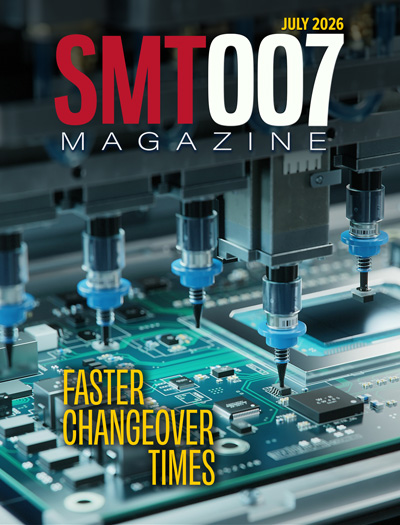


 Knocking Down the Bone Pile: Hot Air vs. Infrared PCB Rework
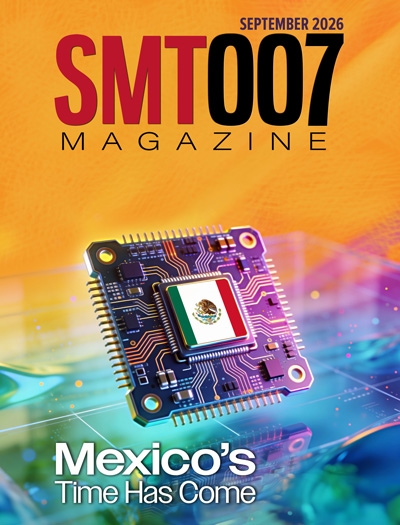
 Nolan’s Notes: Why Mexico’s Time Has Come
 Standard of Excellence: ‘Quality’ Is Your Company's Greatest Competitive Advantage





IPC Community spoke with several members of IPC’s Sustainability for Electronics Leadership Council on their company’s sustainability mission, reasons for joining IPC’s Council, and future Council leadership projects.
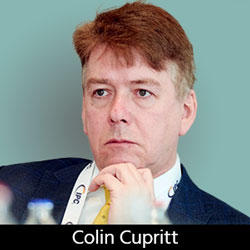
Colin Cupitt
BAE Systems (OEM)
Why is your company’s sustainability mission so important?
Our sustainability agenda directly supports our purpose “to serve, supply and protect those who serve and protect us.” Our products and services enable governments to defend the lives and freedoms of people around the world, support international stability and keep people safe. At the same time our business supports the prosperity of nations with high-quality, well-paid sustainable jobs and by being a valued member of our local communities.
Many of our programmes are complex, pushing the boundaries of current technology. The products we design and build now will remain in service for decades to come, which emphasises the need to develop long-term sustainable solutions. This is why we are supporting governments’ national decarbonisation programmes, working closely with our customers and partners in developing sustainable solutions, as well as setting a target of achieving net zero greenhouse gas emissions across our own operations (Scope 1 and 2) by 2030.
What led you to joining IPC’s leadership council?
BAE Systems recognizes the important work that the IPC do in the electronics field and are happy to support them. The particular focus of the Sustainability Leadership Team is to prepare the electronics industry to be better equipped to address the changing scope of sustainability and to ensure that upcoming legislation can be addressed in an effective way, this will minimise risk to our business, our supply chain and our customers.
What’s on the agenda for initial leadership council projects for the rest of this year?
The Sustainability for Electronics Leadership team has identified critical issues in sustainability and determined those that need to be addressed first. Initially this is focussed on standardization of terminology and tools to enable us to talk the same language and allow clarity to measures. A-Teams have been created to tackle supply chain communications, terminology for "sustainability for electronics" and GHG education and awareness. In the fall we are expecting an assessment from Anthesis on Materiality, with a goal to identify priority sustainability themes, topics, and trends relevant to the electronics manufacturing value chain. This will better define "sustainability for electronics" by identifying/prioritizing relevant stakeholder groups for engagement, benchmarking industry practices based on desktop research, conducting interviews with stakeholders and developing a "network map" to allow assessment of impacts caused and impacts incurred by the industry.
To read the rest of this conversation, as well as from other council members, visit the summer issue of IPC Community.


