


















 Learning with Leo: Drones—Meeting Demand Without Compromise
 Nolan’s Notes: Our Spotlight on North America
 Global Sourcing Spotlight: Building a Supply Chain That Bends, Not Breaks





Automotive Harness System Market grows over 5% CAGR during 2022 – 2032
July 16, 2024 | Global Market InsightsEstimated reading time: 2 minutes
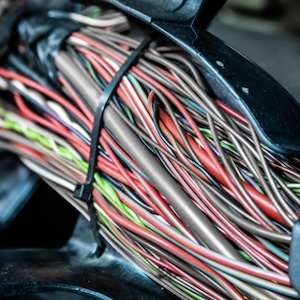
The automotive harness system market size was USD 52.2 billion in 2022 and will witness over 5% CAGR from 2023-2032 due to the increasing demand for electric & hybrid vehicles worldwide
As per the report, the market is being driven by several factors, including the increasing adoption of advanced technologies in automobiles, such as electric vehicles, autonomous driving systems, and infotainment systems. Automotive harness system, also known as wiring harness, is responsible for connecting various electrical and electronic components in vehicles, ensuring smooth communication and functionality. Moreover, stringent safety and emission regulations imposed by governments worldwide are compelling automakers to integrate sophisticated wiring systems. Additionally, the rising demand for lightweight and energy-efficient harness systems is further propelling the market, as manufacturers focus on improving fuel economy and reducing vehicle weight.
Increasing automotive electrification to boost battery harness system demand
Based on application, the market is divided into HVAC, seat, engine, battery, body & lighting, chassis, dashboard & cabin, and others. The automotive harness system market share from the battery segment is predicted to witness significant growth through 2032. Batteries, especially in electric vehicles (EVs), require a complex wiring infrastructure to connect them to the vehicle's electrical system. The harness system ensures efficient power distribution, allowing the battery to supply energy to various components, including the motor, lights, HVAC system, and infotainment system. The system also enables the battery to communicate with other vehicle systems, providing information on battery health, charge levels, and temperature. Furthermore, the harness system ensures the safe and secure routing of high-voltage cables, protecting against electrical hazards. The need for efficient and reliable operation of batteries in modern vehicles will boost the demand for battery harness systems.
Lightweight & recyclability of aluminum harness systems
In terms of material, the market is bifurcated into aluminum, copper, and others. The automotive harness system market size from the aluminum segment is expected to grow significantly from 2023 to 2032. The lightweight nature of aluminum makes it an ideal choice for reducing the overall weight of the vehicle, resulting in improved fuel efficiency and reduced emissions. Aluminum harness systems also offer excellent corrosion resistance, ensuring long-term durability and reliability in harsh environments. Moreover, aluminum's high conductivity allows for efficient power transmission, minimizing power loss and maximizing the performance of electrical and electronic components. Additionally, aluminum is recyclable, making it an environmentally friendly option. The use of aluminum in automotive harness systems is steadily increasing, driven by the focus on vehicle fuel efficiency and sustainability.
Booming automotive sector in the North America region
Regionally, North America automotive harness system market is showcasing strong growth trends and is poised for a promising future through 2032. The region's robust automotive industry, technological advancements, and stringent safety and emission regulations are driving the market expansion. Additionally, the rising adoption of electric vehicles (EVs) and autonomous driving systems in North America is creating a surge in demand for sophisticated wiring harness systems. Moreover, the increasing integration of advanced features and infotainment systems in vehicles, coupled with the presence of key automotive manufacturers and a well-established supply chain network are shaping the industry dynamics in North America.
Speaking of the competitive landscape, some major automotive harness system market players are Lear Corporation, Aptiv, Fujikura Ltd., Gencor Industries, Inc., LEONI, Furukawa Electric Co., Ltd., Molex, and Continental AG. The business space is witnessing numerous mergers, acquisitions, and collaborations, resulting in lucrative opportunities.
Share on:


Testimonial
"The I-Connect007 team is outstanding—kind, responsive, and a true marketing partner. Their design team created fresh, eye-catching ads, and their editorial support polished our content to let our brand shine. Thank you all! "
Sweeney Ng - CEE PCBSuggested Items
The Missing Connection: Wire Harness Quoting Joins the Digital Age
05/01/2026 | Joanne Harris, Tech-2marketingWalk the floor of a modern wire harness manufacturing facility, and the investment in technology is hard to miss. Automated wire cutting and stripping machines process thousands of cuts an hour with sub-millimeter precision. Computerized crimping presses deliver consistent, validated terminations that a hand tool never could. Laser wire markers, automated test benches, and vision-guided assembly stations represent hundreds of thousands of dollars of capital investment, all in service of building a better harness faster and more reliably than the competition.
India’s Vasantha Advanced Systems: EMS Success for 30 Years
04/22/2026 | Marcy LaRont, I-Connect007Based in one of India’s premier manufacturing regions, Vasantha Advanced Systems is an EMS provider that has built a reputation for quality, reliability, and long-term customer partnerships, earning repeated recognition from the Indian government through its National MSME Awards. Now, with a full spectrum of capabilities spanning PCB assembly, box build, and wire harness, and a workforce of more than 500, Vasantha is expanding its presence into the U.S. market. At APEX EXPO, I met Dr. Chidambaranathan and learned how this rising global player is positioning itself to meet the evolving needs of North American customers.
Mexico’s Wire Harness Pivot Point
04/22/2026 | Nolan Johnson, SMT007 MagazineMexico is a major producer of wire harnesses, but recent U.S. economic policies and Mexico’s domestic issues have had a ripple effect on the industry. Jesus Duarte, vice president of Mexico Assembly Wire Technology and president of Expo Wire Tech, explains the issue in greater depth and how the wire harness industry should respond on its own, rather than just reflect what Tier 1s are doing.
Breaking the Manual Quoting Bottleneck in Wire Harness
04/15/2026 | Nolan Johnson, SMT007 MagazineArik Vrobel has spent more than 35 years in wire harness manufacturing—starting in EL-Com, his father's shop, building it into a nationally recognized contract manufacturer, and ultimately selling to Aptiv/Winchester in 2021. But retirement didn't last long. Within months, Arik was back, not as a manufacturer this time, but as a technologist. His new company, Cableteque, is building the quoting and data automation platform he always wished existed.
Wire Harness Taking a Step in the Right Direction
04/08/2026 | Nolan Johnson, SMT007 MagazineTo fully understand the modernization of wire harness design and assembly, we met with members of the Innovation Advisory Team for the Wire Harness Manufacturer’s Association (WHMA) to outline the current challenges facing wire harnesses and the specific steps to implement a digital data flow from OEM to manufacturer and back. In some ways, the wire harness industry is moving from 19th-century to 21st-century technology. But in the meantime, the real challenge isn’t building the harness—manufacturers are very good at that.