











 The Fearless Connector: Why I Chose the Hard Road
 The Clean Truth: The Clean Truth About No-Clean Flux
 Global Sourcing Spotlight: Beyond China Plus One—Building a Truly Global Supply Network





Paul Krugman received the Nobel Prize for Economics in 2008 for his work in economic geography and identifying international trade patterns. In April, he told the Goldman Sachs Exchanges podcast1, “The secret sauce of the Trump tariffs is that they are extremely uncertain. Nobody knows what they will be. Nobody knows what comes next. Now, if you’re a business trying to make plans, would you want to invest under those conditions?”
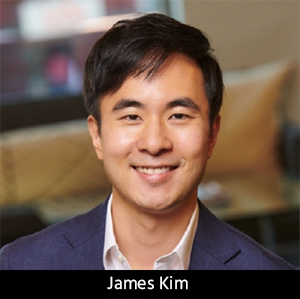
Also in April, we reconnected with attorney James Kim to learn how the current trade deal dynamics are affecting the industry. James is a former U.S. Customs and Border Protection attorney with years of experience working directly with client companies on import and export issues.
Nolan Johnson: James, the tariff situation seems to change almost daily. How might this situation affect the EMS provider industry?
James Kim: Currently, we know several tariffs could potentially affect the electronics industry. The first and biggest are the steel and aluminum tariffs. Because many components, inputs, and products use steel and aluminum, those tariffs are extensive. They started under Trump 1.0, but there were many special arrangements between countries, including product-specific exemptions. All of that is now done away with. We're back to a global tariff on steel and aluminum.
That action has now broadened to include more of what are known as derivative products—products that include some amount of steel and/or aluminum, which now include many electronic products and components. Compliance becomes particularly challenging because only the percentage of steel and/or aluminum content of those derivative products is subject to the tariffs, so that content per product must be broken out specifically. They have to go to their suppliers, and their suppliers have to go down the supply chain to figure out the raw steel and aluminum in a PCB or similar product.
To read the entire interview, which originally appeared in the June 2025 issue of SMT007 Magazine, click here.


