












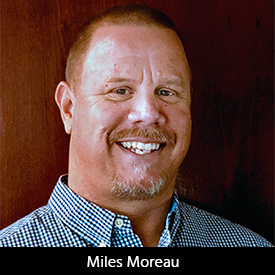


 The Fearless Connector: Why I Chose the Hard Road
 The Clean Truth: The Clean Truth About No-Clean Flux
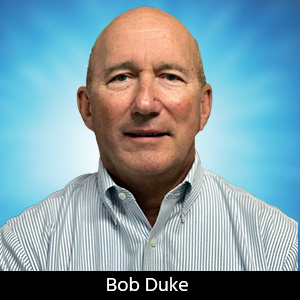 Global Sourcing Spotlight: Beyond China Plus One—Building a Truly Global Supply Network





Foxconn Technology Group continues to deepen its core concept of "EPS + ESG = Sustainable Operation" and released its latest annual third-party audit summary report. As of the end of 2025 , the Group has completed 85 audits of the Responsible Business Alliance ( RBA ) Validated Assessment Program ( VAP ) in 65 factories around the world, and has obtained 6 Platinum, 2 Gold and 33 Silver certifications, demonstrating the Group's concrete results in continuously improving labor rights, occupational safety and health, environmental protection, business ethics and supply chain management.
In 2025 , Foxconn launched a third-party audit project at the group level. This project covers China, Vietnam, India, Mexico, and Brazil, and focuses on strengthening the implementation of RBA VAP audits at nine key manufacturing sites . Audit targets are assessed and selected based on risk factors such as operational complexity, employee size, geographical risk, and historical stakeholder concerns, in order to enhance ESG governance capabilities in high-risk locations .
According to the latest third-party audit results, Foxconn Technology Group achieved an overall compliance rate of 89.7% , obtaining one Platinum certification and four Silver certifications. The audit results covered aspects such as labor rights, occupational safety and health, environment, business ethics, and supply chain management, and no Priority non-conformance was found as defined by RBA VAP . Notably, the Brazilian plant achieved Platinum certification and a perfect score of 200 points on its first RBA VAP audit; the Yantai plant in mainland China also achieved Silver certification on its first RBA VAP audit. Other plants in mainland China, India, and Mexico, which have undergone consecutive RBA VAP audits, have also seen continuous improvement in their audit results.
This third-party audit involved 121 person-days across nine plants , interviewing 1,279 employees. The audit scope covered all aspects of the RBA Code of Conduct, including labor rights, occupational safety and health, environmental protection, business ethics, management systems, and supply chain responsibility. The audit results demonstrate several significant achievements:
- No priority non-conformance was found in the RBA VAP definition .
- The Foxconn Brasil Industria e Comercio LTDA plant in Brazil received Platinum certification on its first RBA VAP audit .
- The Chengdu, Zhengzhou, and Yantai plants in mainland China, and the Chihuahua plant in Mexico, have obtained Silver certification .
- Environmental compliance rate reached 93.5% , and business ethics compliance rate reached 96.5% , maintaining a relatively stable performance.
- The plants that have been audited by RBA VAP for two consecutive years have seen an average overall score increase of 19.1% . The Chengdu plant's overall score has increased by 46.2 points compared to the previous audit, and improvements have been shown in areas such as labor rights, health and safety, and the environment.
- The compliance rate of the supply chain management at the Chihuahua plant in Mexico has increased significantly by 133% compared to the previous time , demonstrating the continuous improvement in the maturity of supply chain management.
The report also points out that labor rights, occupational safety and health, and supply chain management remain key areas for improvement, and recommends continuing to reduce the differences in ESG management and implementation maturity across different plants. Going forward, Foxconn will continue to enhance global operational consistency and ESG governance maturity through third-party audits, management system optimization, capability building, and cross-plant best practice sharing .
Foxconn will continue to uphold the core concept of " EPS + ESG = Sustainable Operations," strengthening the resilience and sustainable governance capabilities of its global supply chain through alignment with international standards, third-party verification, and transparent disclosure. It will also continue to respond to the expectations of investors, customers, and stakeholders for responsible business and human rights management.


