













 The Fearless Connector: Why I Chose the Hard Road
 The Clean Truth: The Clean Truth About No-Clean Flux
 Global Sourcing Spotlight: Beyond China Plus One—Building a Truly Global Supply Network






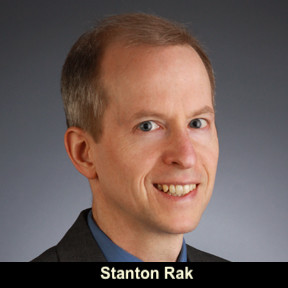
Joe O’Neil’s background includes operating both printed circuit fabrication and printed circuit assembly companies. In his current role, Joe contributes to the strategic initiatives at IPC, including his involvement in developing advanced fabrication technologies demonstration facilities in the U.S.
For 2024, how would you describe the economic outlook for the industry? What are you optimistic about? What are you worried about?
The global economic outlook for the electronics industry in 2024 presents a mixed landscape. While there's a sense of flatness, several opportunities are emerging. One notable trend is the relocation of manufacturing from China to regions like Southeast Asia, Mexico, and the U.S., fostering a more diversified supply chain. I am particularly optimistic about the renewed focus on building a robust domestic electronics manufacturing base. New domestic activities across the value chain are on the rise and are expected to continue in the coming year.
There are, however, valid concerns. Rising interest rates, inflation, and other economic headwinds have the potential to delay these projects. Geopolitical tensions and increasing complexities in the industry are also worrisome factors.
What concerns you most in your growth plans: capabilities, capacity, or competition?
Actually, workforce is my main concern. I believe that there are talented, extremely bright young people coming up through our education system and entering the workforce. Can the electronics industry attract them? If so, I am not worried about developing and sustaining domestic capabilities and capacities and competing on a global scale. Without the workforce, none of that is possible. I see massive opportunities for bright, young engineers in our industry. The challenges are large, but the opportunities are large as well.
To read this entire conversation, which appeared in the December 2023 issue of SMT007 Magazine, click here.


