


















 Connect the Dots: What Designers Should Know About Non-conductive Via Fill
 Target Condition: The Modern Masters of Signal Integrity and AI-driven Design
 Fresh PCB Concepts: Repair and Risk in Electrical Test Failures in PCB Manufacturing





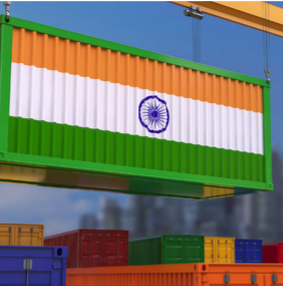
Editor’s note: The following is an excerpt from the Global Electronics Association’s June 2025 report, “Interconnected: Global Electronics Trade in an Age of Disruption,” which details exactly how and why the electronics manufacturing industry is the most interconnected supply chain on the planet.
India has long been viewed as a country with vast potential in electronics manufacturing. Its large population, low labor costs, and growing domestic demand have made it an attractive destination for global companies looking to diversify production beyond China.
In recent years, that potential has begun to materialize. Between 2017 and 2023, India emerged as one of the fastest-growing sources of finished electronics imports globally. This rapid expansion has been built on a foundation of imported components.
In 2023, India’s total electronics imports surpassed $100 billion, up from $60 billion in 2017. This growth was driven overwhelmingly by increased imports of electronics inputs, which now account for the majority of India’s electronics trade. In 2023, inputs represented 60% of India’s total electronics imports, reversing the balance from 2016, when finished goods made up the larger share.
While India has become a growing source of finished electronics for other countries, its own imports of finished goods have increased more slowly. From 2017 to 2023, finished electronics imports rose from $35 billion to just under $41 billion, an increase of less than 17%. China remains India’s dominant supplier, accounting for nearly half of all finished electronics imported in 2023. Other key suppliers include the European Union, the United States, Vietnam, and Japan.
To continue reading this article, which originally appeared in the September 2025 issue of SMT007 Magazine, click here.


