












 The Fearless Connector: Why I Chose the Hard Road
 The Clean Truth: The Clean Truth About No-Clean Flux
 Global Sourcing Spotlight: Beyond China Plus One—Building a Truly Global Supply Network





Latest Articles
Assembly with Solder - An Unblinking Look at

While soldering holds many benefits in terms of offering a means of mass assembly of components to PCBs and is fundamentally simple, its application is much more complex and fraught with opportunity for defects to be generated, but it is also the demon we have elected to live with, for as the old saying suggests: "Better is the devil we know."
Sustainability: What and Why?

Joe Fjelstad writes, "The resources of our planet are limited and thus are diminishing as we continue to unleash and ramp-up a seemingly never-ending flow of products to both serve and amuse us with output of the global electronics industry likely to be nearing the top of the list of 'offenders.' In that regard, we are becoming victims of our own success, to one degree or another."
Assembly and the Quest for Solder Alloy-Free Electronics (SAFE)
"As first brush, the title's suggestion that solder can be eliminated from the assembly process may appear absurd. Everyone related in any way to this industry knows solder is the universally accepted way of connecting components to printed circuits in electronic assemblies. Thus, the fact that many knowledgeable people in the industry might scoff at the notion solder can be eliminated comes both without surprise and a certain amount of resignation," writes Joe Fjelstad.
Component Selection for Easier Design and Manufacture of Electronics
In the world of high tech, simplicity is arguably one of the foundational objectives of most of the technologies that surround us today. Certainly this is true in terms of how product designers are trying to create interfaces that allow even the most non-technical users to get what they need from electronic products with a minimum of hassle.
Forensics Uncovers Elusive Defects & Saves PCB Designs
Products and their supporting PCBs and packages have shrunk so much that it is considerably challenging to detect extremely small problems. But a forensic approach can help you uncover defects that traditional methods may miss says NexLogic's Zulki Khan.
SMTA: Call for Papers for 2015 Events

SMTA announces abstracts are now being accepted for several events taking place in 2015. All submissions must be non-commercial in nature and focus on technology research rather than a company product.
Rework Challenges for Smartphones and Tablets
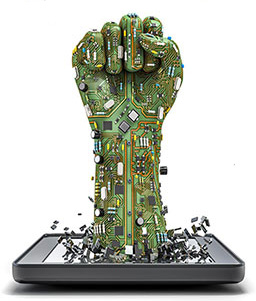
The implementation of surface-mount devices is crucial for smartphone manufacturers, offering increased component density and improved performance. Mobile products generally use an epoxy underfill to adhere components to the PCB to meet the mechanical strength requirements of a drop test. Reworking glued components is the most difficult application in the electronics industry, and must be addressed as a process.
High-reliability, Pb-free, Halogen-free Solder

This paper from Ian Wilding and Gavin Jackson addresses the performance of a specifically designed lead-free solder alloy for increased reliability in high-temperature thermal cycling. It also documents the challenges and breakthroughs in developing halogen-free or zero-halogen solder fluxes compatible with the lead-free alloy specifically designed for higher reliability.
Sanmina: Automation in Production Lines
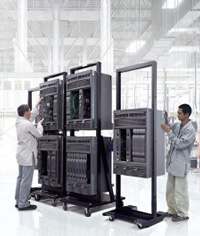
With so much discussion about the increasing amount of automation in the world of electronics assembly Editor Richard Ayes asked Gelston Howell, senior VP at Sanmina, to provide perspective on the state of manufacturing automation. Howell discusses the current state of automated electronics assembly systems, the inherent risks and challenges, and the future of robotics in manufacturing.
- 1
- 2
- 3
- 4
- 5
- 6
- 7
- 8
- 9
- 10
- 11
- 12
- 13
- 14
- 15
- 16
- 17
- 18
- 19
- 20
- 21
- 22
- 23
- 24
- 25
- 26
- 27
- 28
- 29
- 30
- 31
- 32
- 33
- 34
- 35
- 36
- 37
- 38
- 39
- 40
- 41
- 42
- 43
- 44
- 45
- 46
- 47
- 48
- 49
- 50
- 51
- 52
- 53
- 54
- 55
- 56
- 57
- 58
- 59
- 60
- 61
- 62
- 63
- 64
- 65
- 66
- 67
- 68
- 69
- 70
- 71
- 72
- 73
- 74
- 75
- 76
- 77
- 78
- 79
- 80
- 81
- 82
- 83
- 84
- 85
- 86
- 87
- 88
- 89
- 90
- 91
- 92
- 93
- 94
- 95
- 96
- 97
- 98
- 99
- 100
- 101
- 102
- 103
- 104
- 105
- 106
- 107
- 108
- 109
- 110
- 111
- 112
- 113
- 114
- 115
- 116
- 117
- 118
- 119
- 120
- 121
- 122
- 123
- 124
- 125
- 126
- 127
- 128
- 129
- 130
- 131
- 132
- 133
- 134
- 135
- 136
- 137
- 138
- 139
- 140
- 141
- 142
- 143
- 144
- 145
- 146
- 147
- 148
- 149
- 150
- 151
- 152
- 153
- 154
- 155
- 156
- 157
- 158
- 159
- 160
- 161
- 162
- 163
- 164
- 165
- 166
- 167
- 168
- 169
- 170
- 171
- 172
- 173
- 174
- 175
- 176
- 177
- 178
- 179
- 180
- 181
- 182
- 183
- 184
- 185
- 186
- 187
- 188
- 189
- 190
- 191
- 192
- 193
- 194
- 195
- 196
- 197
- 198
- 199
- 200
Copyright © I-Connect007 | IPC Publishing Group Inc. All rights reserved.
Log in